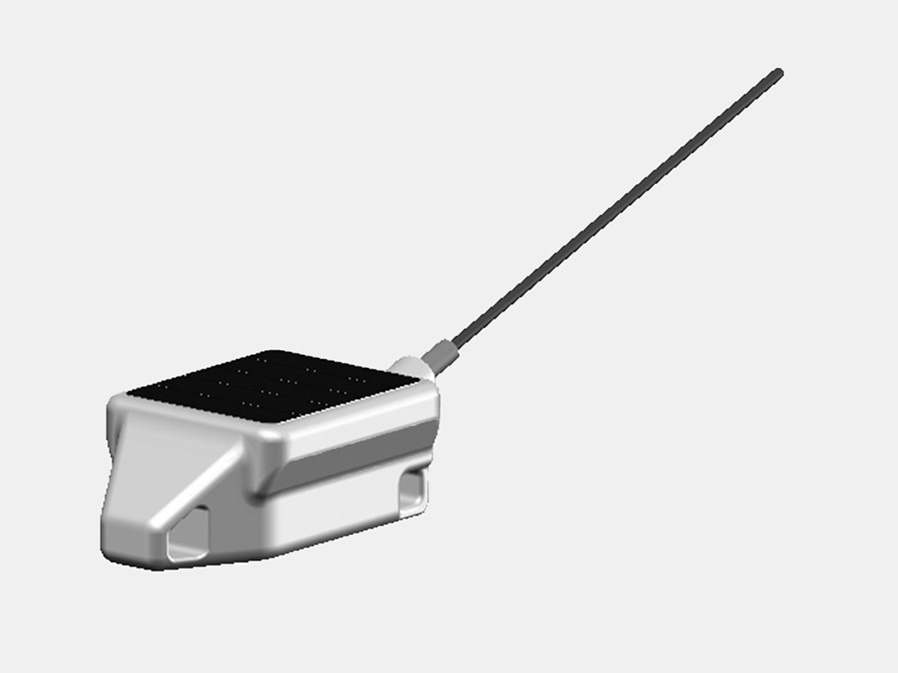
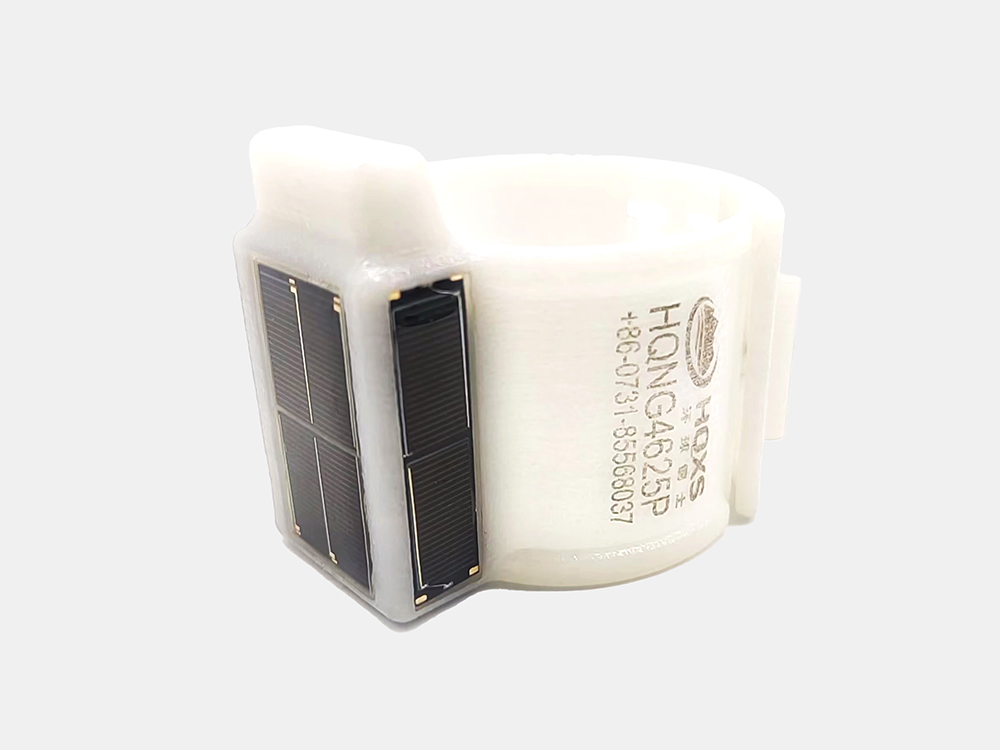
It has been an exciting development in the world of wildlife conservation as cutting-edge GPS collars have been introduced to better track and monitor the movement and behavior of various species. Developed by {}, these state-of-the-art GPS collars are set to revolutionize the way researchers and conservationists gather data on wildlife.The use of GPS collars for tracking wildlife is not a new concept, but the technology has significantly advanced in recent years. The new GPS collars developed by {} are equipped with highly accurate GPS and satellite tracking systems, allowing researchers to monitor the movements of animals with unprecedented precision. This technology is particularly crucial for species that cover large territories or live in remote and inaccessible areas.One of the key features of these GPS collars is their ability to collect and transmit real-time data. This means that researchers can track the location of animals continuously, gaining valuable insights into their behavior and habitat use. The collars also have the capability to store a vast amount of data, allowing for in-depth analysis and research.The introduction of these advanced GPS collars has the potential to greatly enhance wildlife conservation efforts. By gaining a better understanding of animal movements and behaviors, conservationists can make more informed decisions regarding habitat protection, wildlife management, and anti-poaching efforts. This technology also has the potential to aid in the reintroduction of endangered species into the wild, by closely monitoring their movements and ensuring their safety.The use of GPS collars has already yielded promising results in various conservation projects around the world. Researchers have been able to track the migration patterns of large mammals such as elephants and big cats with unprecedented accuracy. This data has not only provided valuable insights into the behavior of these species but has also helped identify key areas for conservation efforts.In addition to their conservation benefits, these GPS collars also have implications for research and education. Scientists can use the data collected by the collars to study animal behavior, population dynamics, and the impacts of human activities on wildlife. Furthermore, the ability to track animals in real-time provides an exciting opportunity for educational outreach, allowing students and the public to follow the movements of wild animals in a way that was previously not possible.As with any advanced technology, the introduction of these GPS collars for wildlife comes with a price tag. The cost of the collars themselves, along with the associated satellite tracking services, can be significant. However, many conservation organizations and research institutions view this as a worthwhile investment in the long-term preservation of wildlife.The company behind these cutting-edge GPS collars, {}, is dedicated to the advancement of wildlife conservation and research. With a team of experts in wildlife biology, engineering, and technology, {} has been at the forefront of developing innovative solutions for tracking and monitoring wildlife. The company's mission is to provide researchers and conservationists with the tools they need to better understand and protect the natural world.In conclusion, the introduction of advanced GPS collars for wildlife represents a significant advancement in the field of wildlife conservation and research. The technology developed by {} has the potential to revolutionize the way we track and monitor the movements of wild animals, providing valuable insights that can inform conservation efforts and contribute to the long-term preservation of biodiversity. While the cost of these GPS collars may be high, the benefits they offer for wildlife and the environment are immeasurable. With continued innovation and investment in this technology, the future looks bright for the protection of our planet's precious wildlife.
Read More